
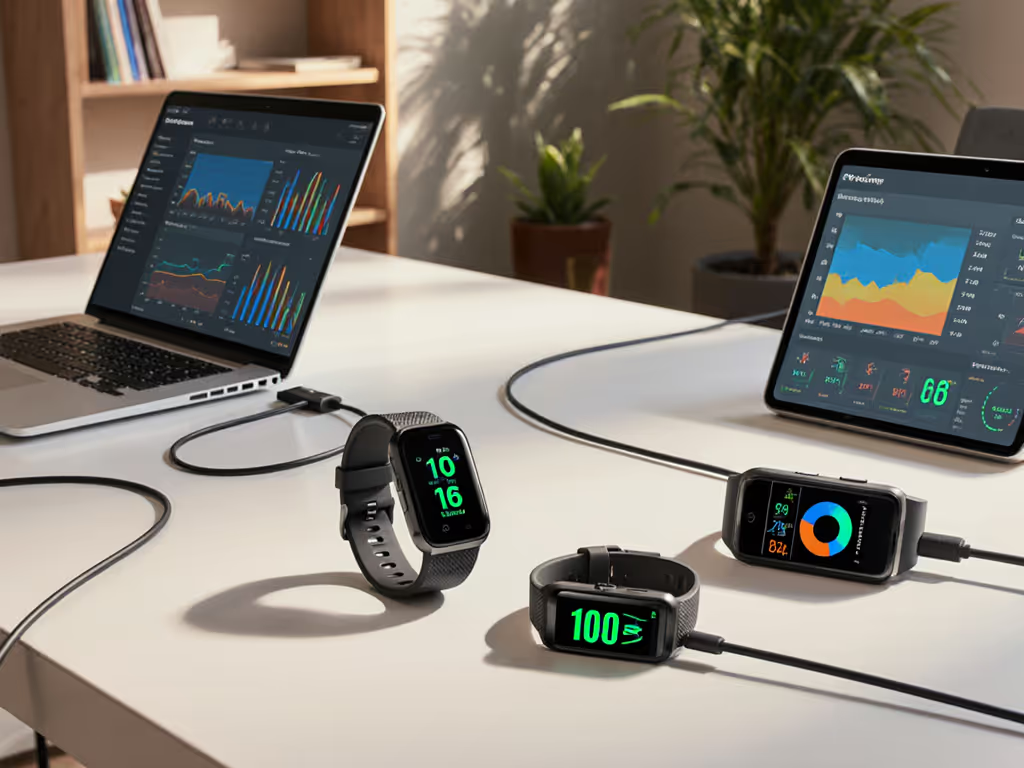
Seamless Fitness Tracker Data Migration Guide
15th Dec•5 min read

Your fitness tracker insurance data isn't protected by HIPAA, and that "free" wellness app might be selling your heart rate logs to data brokers while your insurance provider eyes those numbers for insurance premium discounts. I learned this the hard way when two years of sleep data vanished behind a subscription paywall. For a breakdown of long-term costs and paywalls, see our fitness tracker subscriptions comparison. That week, I mapped every tracker's deletion paths and export formats. If you can't leave with your health data privacy intact, you've already lost control. Total cost matters more than the sticker price. Let's cut through the noise with ledger-style clarity.
Own your data, or someone else owns your decisions.
Legally, you own the raw data, your steps, heart rate, sleep stages. But read the fine print, when you agree to terms, you grant companies broad licenses to use that data. HIPAA only covers hospitals and insurers, not your Fitbit or Oura Ring. That health data security gap lets wearables companies legally sell anonymized datasets to third parties like advertisers or reinsurers.
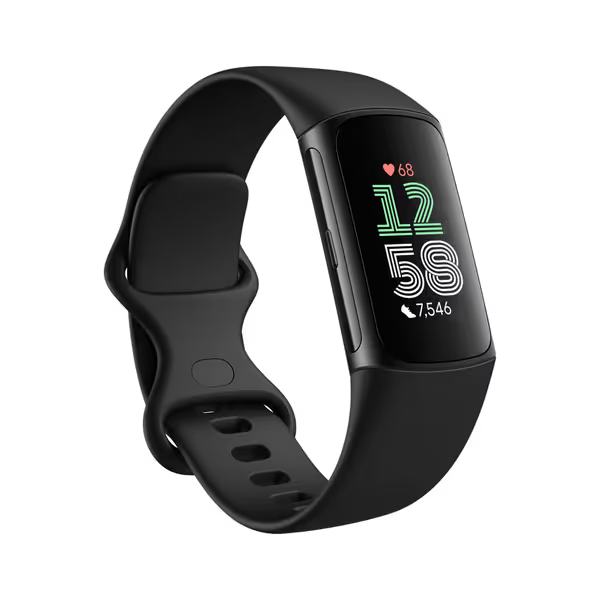
Take the Fitbit Charge 6. It seamlessly tracks your runs with Google Maps and syncs to Google Wallet. But buried in its policy, aggregated biometric data can fuel Google's ad ecosystem.
This isn't hypothetical. A 2023 investigation found 78% of fitness apps shared data with Meta and Google, even in "private" modes. Your resting heart rate might help price your life insurance, without your explicit consent. Data ownership rights mean little if exit paths are blocked.
Two main avenues:
Wellness program incentives: Submit data to earn premium discounts (e.g., UnitedHealth's Motion program). The catch? You surrender raw data streams (not summaries) to insurers. If your device reports "low activity" due to a wrist tattoo disrupting sensors (a documented inaccuracy), discounts vanish. No appeals process.
Backchannel scoring: Even without voluntary programs, insurers buy aggregated datasets. A recent JAMA study confirmed insurers correlate irregular sleep patterns from wearables with higher claim risks, potentially inflating premiums. Unlike credit scores, these "wellness scores" face zero FCRA oversight.
This creates a health data privacy trap. Opt out of sharing to protect yourself, and you miss discounts. Opt in, and inaccurate sensor data (like optical HR errors on darker skin) could penalize you.
Worse, wellness program incentives exploit gaps. Employers legally require fitness data for discounts under the ADA, yet 68% of privacy policies (per EPIC) don't disclose how insurers re-identify "anonymized" data using zip code plus birthdate combos.
Forget "trust us" promises. Build data ownership rights through action:

This isn't paranoia, it's basic health data security hygiene. I've seen clients denied coverage because their wearable logged "abnormal" heart rates during HIIT workouts (a known sensor flaw), with no way to contest the algorithm's verdict.
That "free" fitness tracker? Its real cost includes permanently surrendered biometric autonomy. Prioritize devices with:
Total cost matters in years, not months. To see what you actually pay for at each tier, read our budget vs premium tracker analysis. A $100 tracker locking your data costs more than a $300 device with true exit rights. Before syncing, ask: If I cancel tomorrow, can I reclaim every heartbeat, step, and sleep stage? If the answer isn't "yes," walk away.