
Health Metrics & How to Use Them
Top Articles




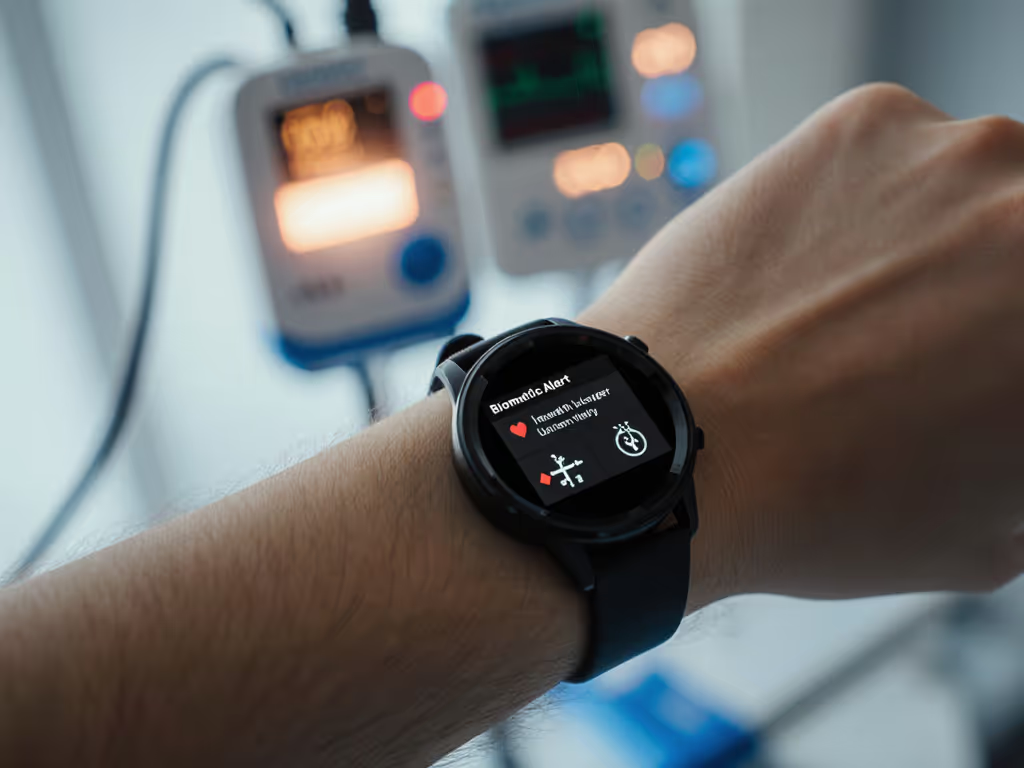

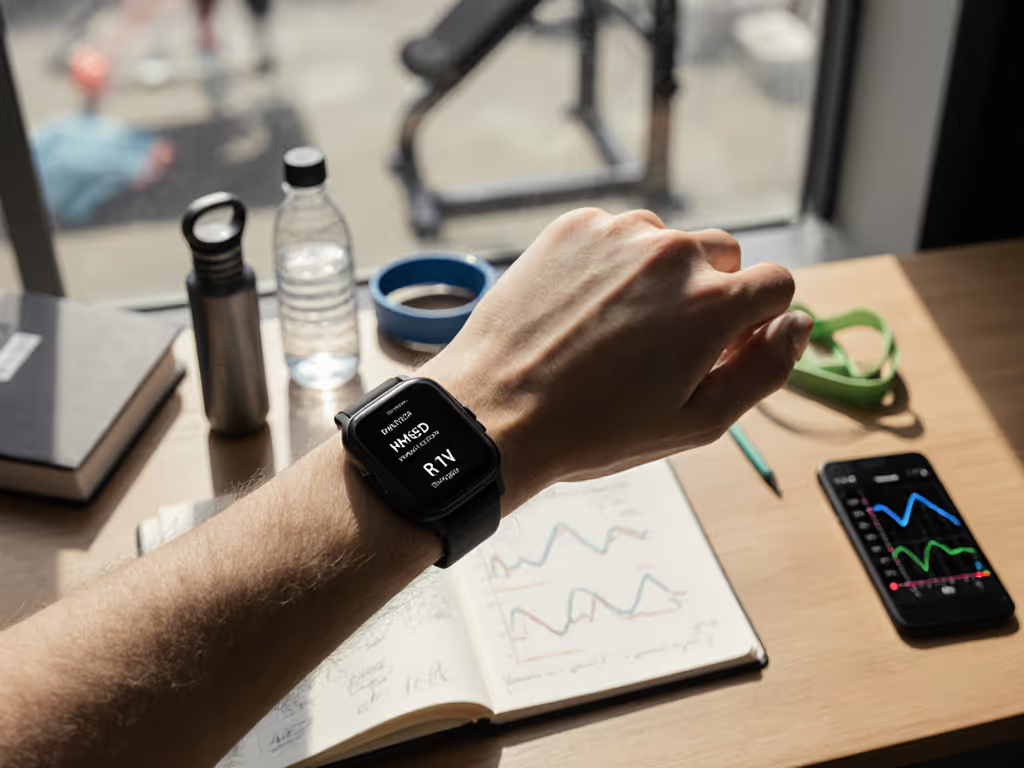
HRV for Recovery: Truth About Fitness Tracker Accuracy
Learn when wrist-based HRV is trustworthy, which metric to rely on (RMSSD at rest), and how skin tone, tattoos, and intense workouts can skew readings. Use a 15-minute daily checklist to validate and improve your tracker, align scores with sleep, hydration, and cycle context, and choose value based on outcomes and data portability.
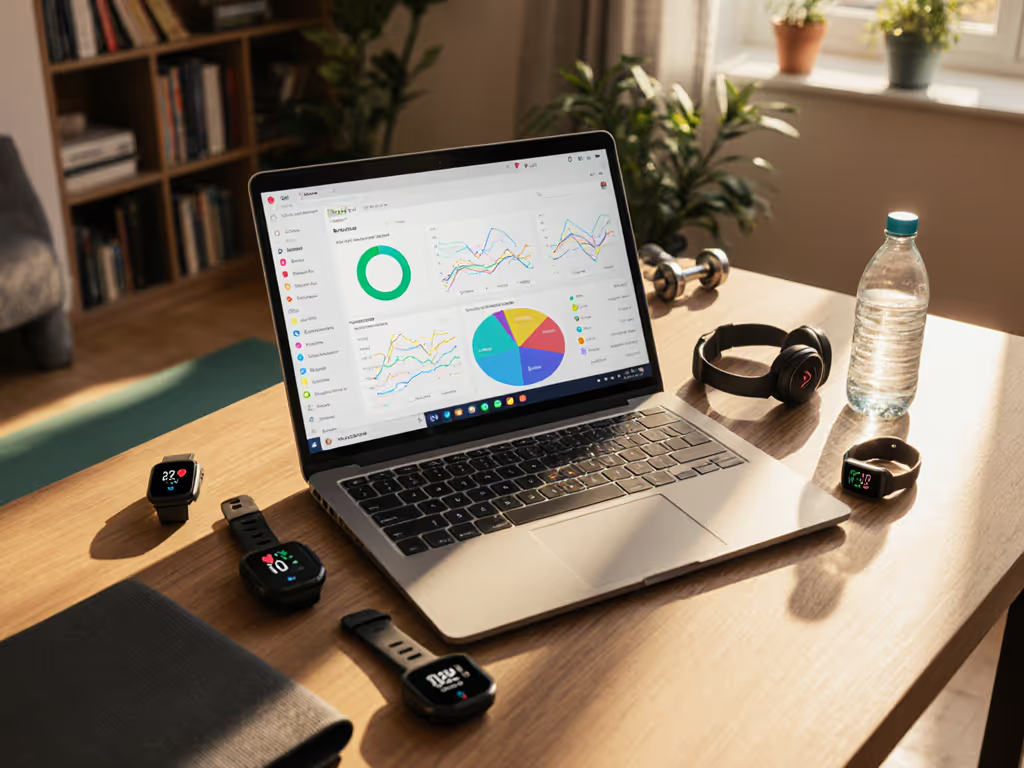
Fitness Tracker Habit Building: Consistency Over Data
Turn a fitness tracker into a supportive tool by focusing on awareness and small, repeatable wins instead of arbitrary targets. Get practical steps - customizing notifications, setting baseline +10% goals, using weekly totals, and tracking sleep for consistency - to build habits that last without burnout.
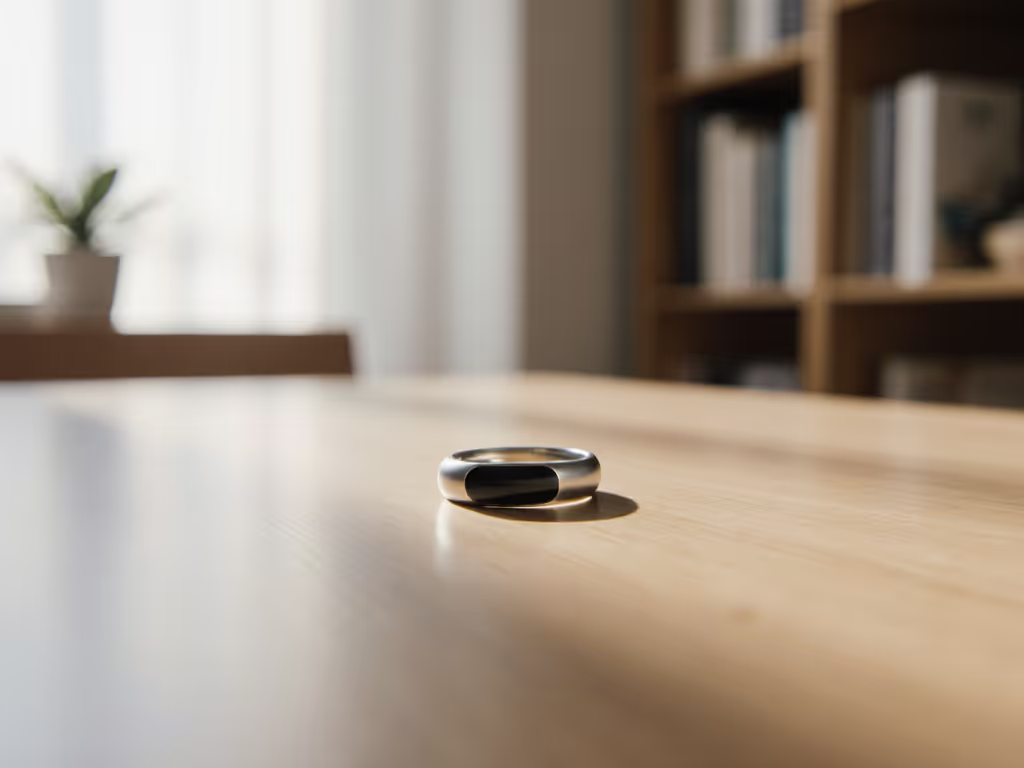
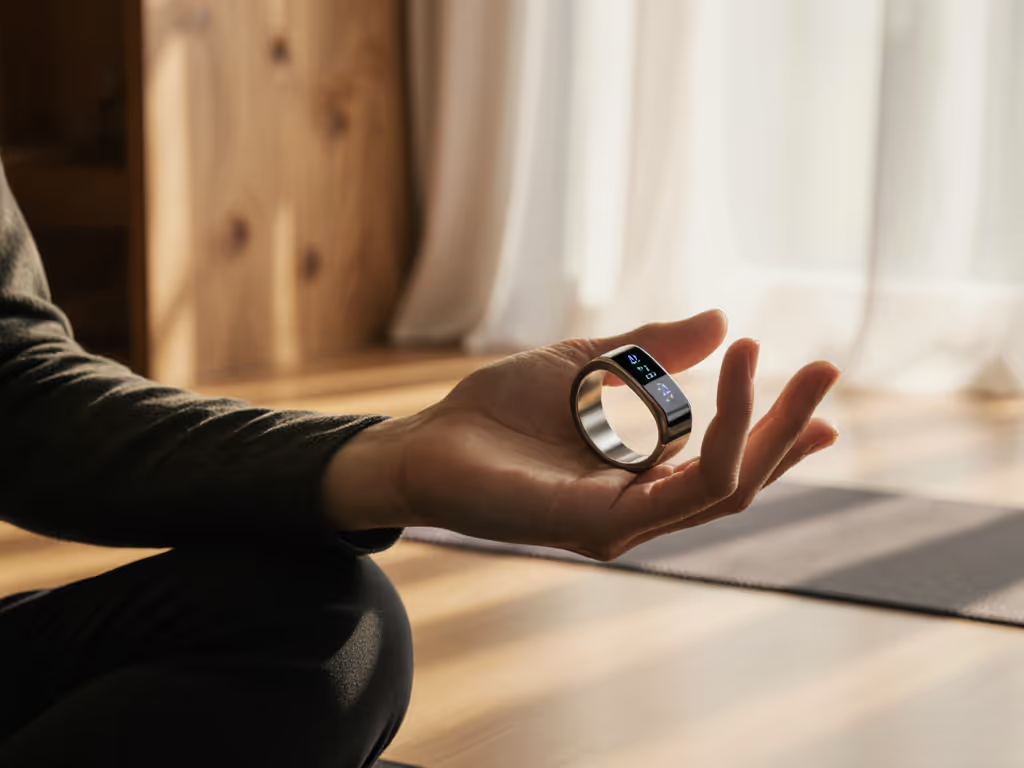
Unlock Ring Fitness Insights Without Data Overload
Use a simple 4-step filter to turn ring tracker metrics into actionable, inclusive insights by prioritizing comfort, linking data to how you feel, and calibrating thresholds for your body. A 90-second weekly ritual helps reduce alert fatigue and focus on fewer, more trustworthy signals.
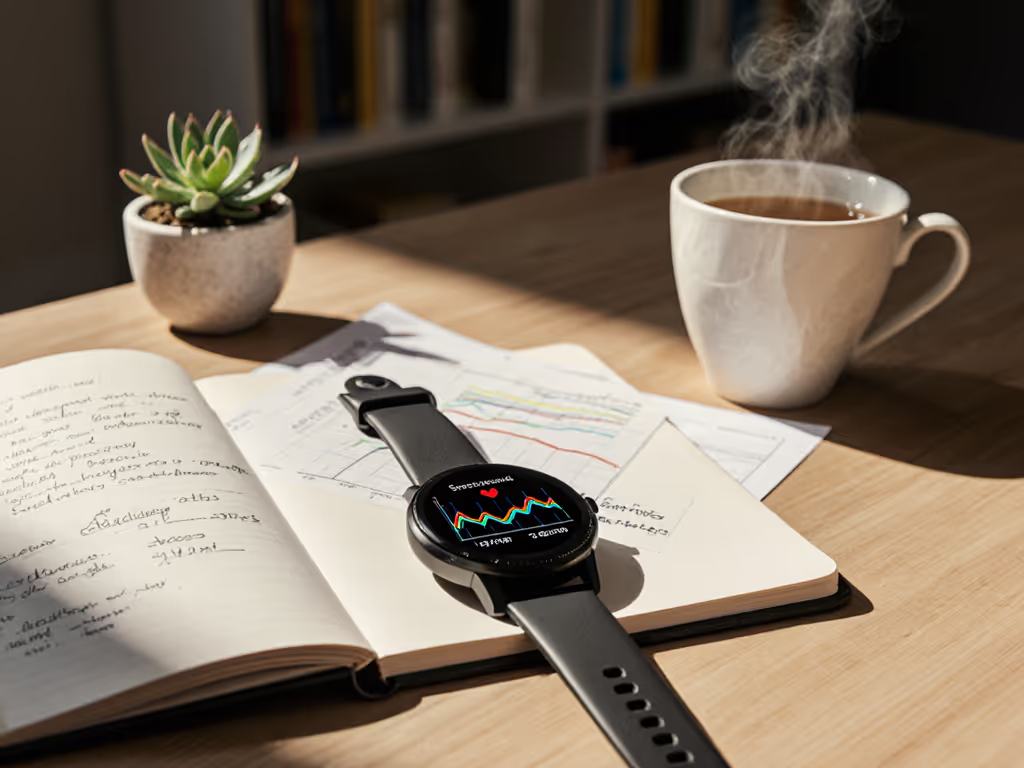
Fitness Trackers for Stress: Validating Mental Health Metrics
Stress scores from wearables can be misleading without rigorous, real-world validation across diverse users and conditions. Use them as directional trends: set a personal baseline, look for transparent error bars and gold-standard comparisons, and pair insights with simple actions like paced breathing.
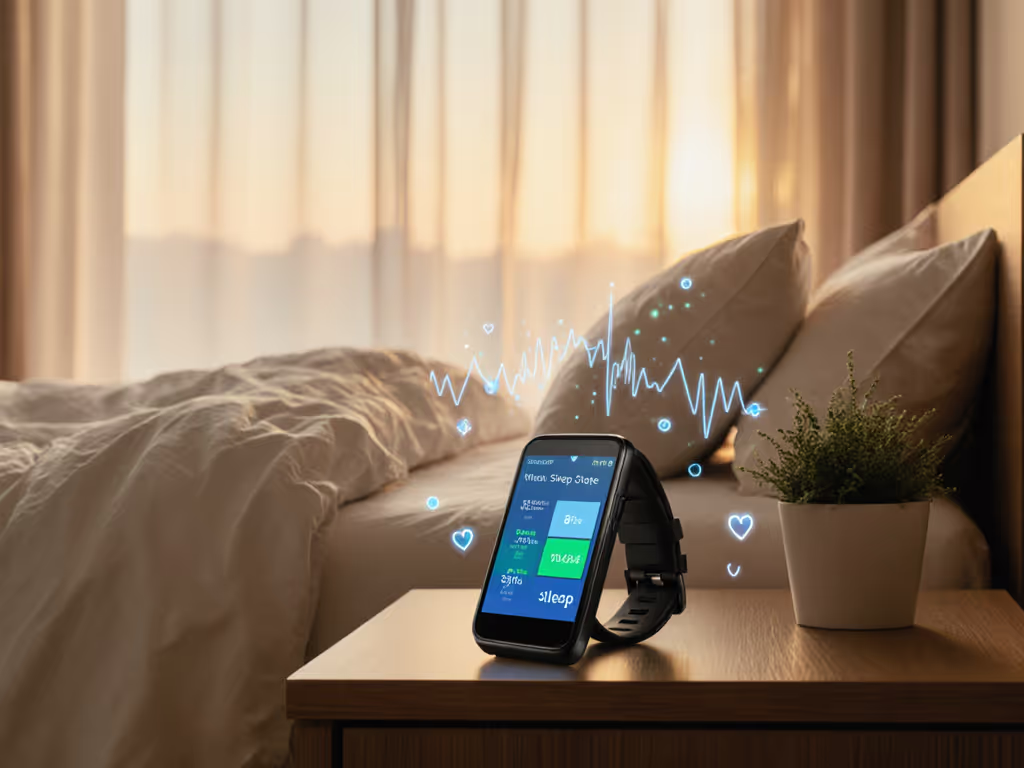
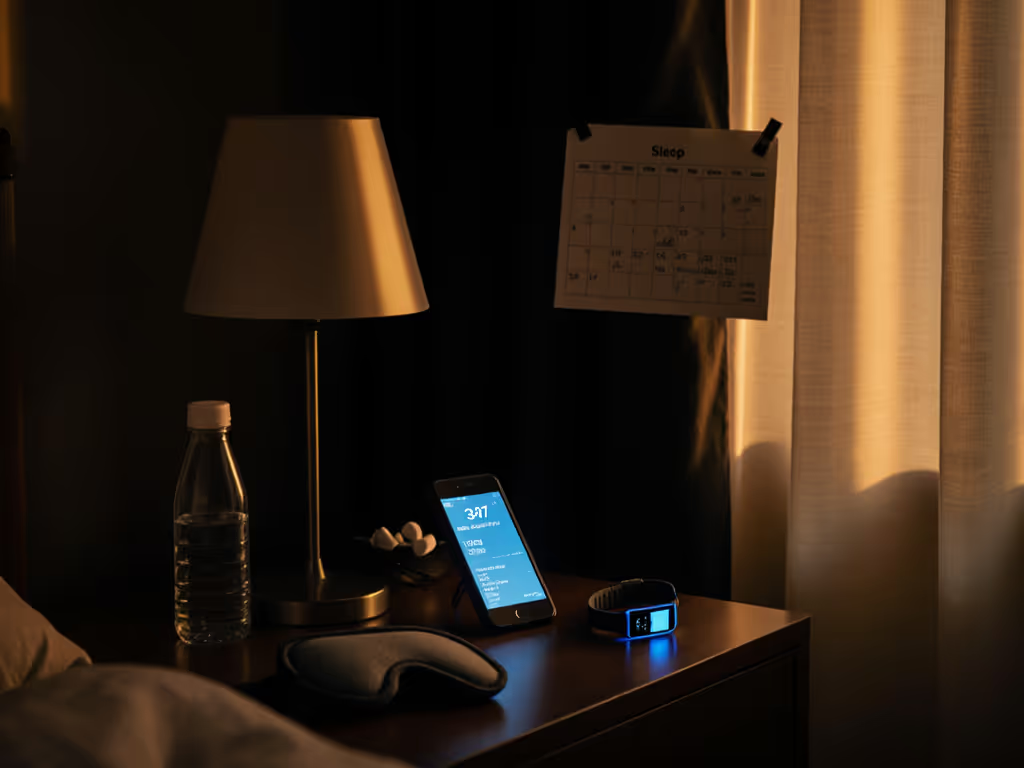
Sleep Tracking Science: How Fitness Trackers Measure Rest
Learn how fitness trackers combine movement and optical heart-rate signals to estimate sleep, where stage scores fall short, and which features actually improve rest. Use the checklist to pick a comfortable, inclusive device and turn trends like sleep debt and consistent wake times into actionable habits.
Explore Other Topics
Device Comparisons & Versus Guides
Side-by-side comparisons of popular fitness trackers by ecosystem, sport, health features, and overall value to help you choose between specific models.
Best Picks & Buying Guides
Curated recommendations tailored to needs, activities, demographics, and budgets—find the right tracker for swimming, seniors, women’s health, battery life, weight loss, and affordable options.

Tracker Technology & History
Deep dives into how trackers work (e.g., heart rate, step counting) and the evolution of wearable tech—what’s under the hood and how we got here.
In-Depth Reviews
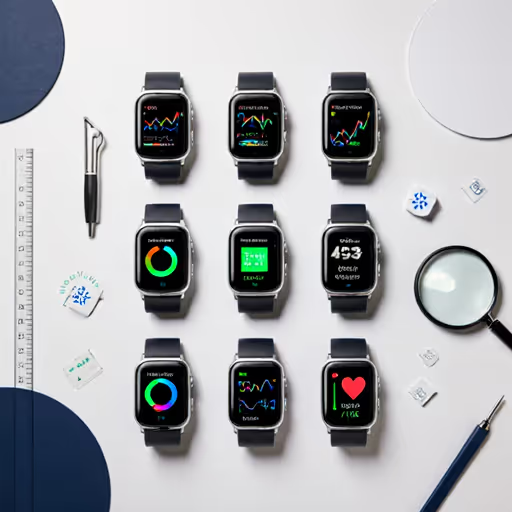
Detailed, model-specific reviews evaluating real-world performance, accuracy, features (e.g., AMOLED displays, GPS, battery life), and overall value to help decide on a specific tracker.