Fitness Trackers for Mental Health: Track Mood Patterns
10th May•9 min read
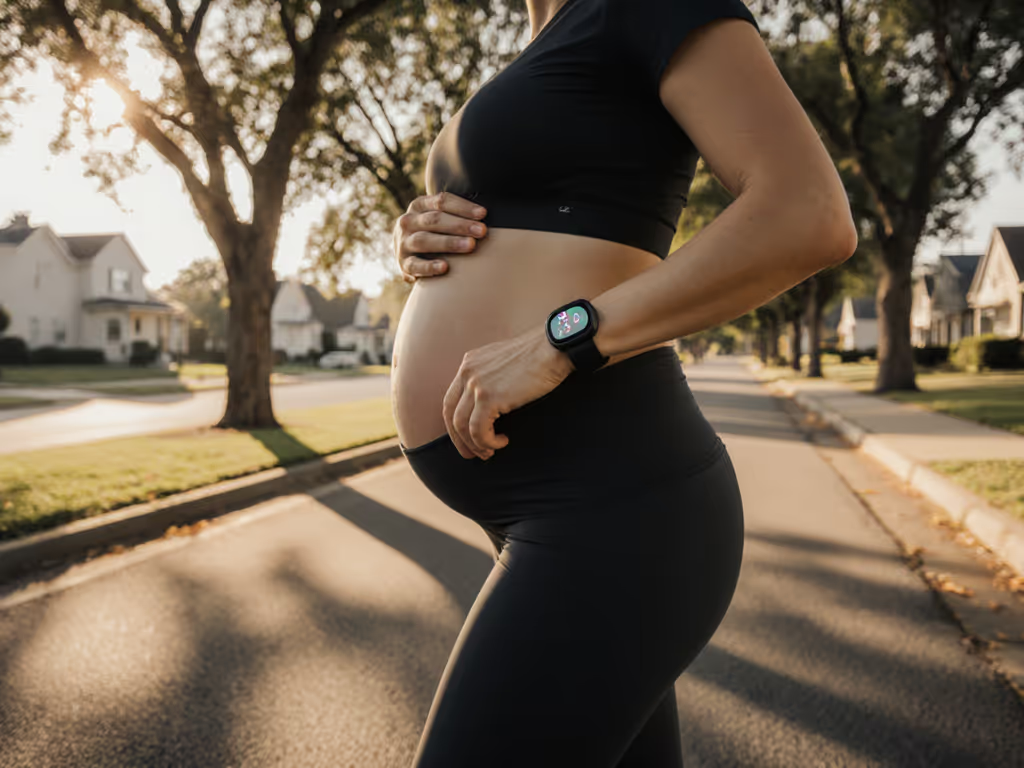
As someone who's tested fitness trackers across three family ecosystems (from premium to budget), I've learned that pregnancy fitness tracking isn't just about counting steps. When physiological changes alter how your body responds to activity, safe wearable use during pregnancy requires critical evaluation of what devices actually measure versus what marketing claims. Most trackers weren't designed for pregnancy's dynamic physiology, yet many pregnant people rely on them for reassurance. Let's cut through the hype with scenario-based comparisons that prioritize what matters: accurate data that prevents overexertion without creating unnecessary anxiety. Pay for outcomes, not logos.
Pregnancy creates physiological shifts that render standard fitness metrics misleading:
ACOG specifically notes that "blunted and normal heart-rate responses to exercise have been reported in pregnant women," making heart rate-based intensity monitoring potentially unreliable. Optical sensors (PPG) become particularly problematic as blood volume shifts, yet most consumer wearables still rely on this technology.
Without accounting for these changes, your device might flag "high stress" when you're simply sitting, or indicate you're in the fat-burning zone when you're actually overexerting. This isn't just inaccurate; it could lead to dangerous activity restrictions or false confidence.
Before selecting any device, map your actual needs against pregnancy-specific limitations:
This isn't just about specs; it's about outcomes. My family's budget tracker with the better strap actually provided more reliable prenatal activity monitoring than our premium device because it stayed in contact during morning sickness-induced movement. Hardware matters more than hype when physiology changes daily.
Forget target heart rate zones calculated from your age. Pregnancy requires trimester-specific fitness metrics:
| Trimester | Safe Intensity Indicator | Why Standard Metrics Fail |
|---|---|---|
| First | RPE 11-13 (light to somewhat hard) | Resting HR already elevated 10+ bpm |
| Second | RPE 12-14 with no breathlessness | Cardiac output peaks while max HR declines |
| Third | RPE 10-12 (very light) | Weight distribution affects biomechanics |
Use the "talk test" as your primary guide: You should be able to speak full sentences while exercising. To reduce anxiety from misleading zones, customize your tracker to emphasize RPE over heart rate during pregnancy. Many devices now include perceived exertion prompts, so prioritize these over heart rate-based intensity estimates. The CDC confirms that moderate activity (where you can talk but not sing) remains safe for most pregnancies, but your wearable's interpretation of this may be dangerously off-base.
Pregnancy health tracking creates sensitive biometric data that requires special protection:
Many users don't realize their "anonymous" pregnancy data could be sold to data brokers. For implications of sharing wearable data, read who owns your fitness data before opting into any programs. When testing cross-platform setups, I've found devices like the WHOOP strap (when properly configured) offer clearer data ownership terms than mainstream brands, but always check current policies. Your exit strategy matters as much as your entry point.
Establish how you'll validate your device's accuracy against real-world signals:
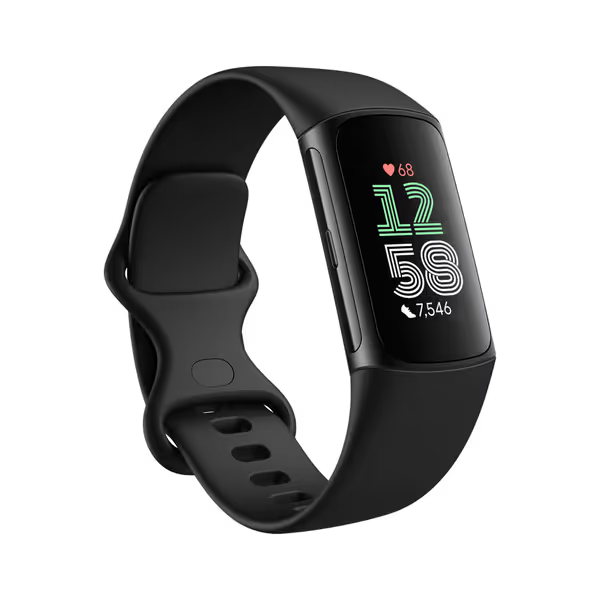
When I trialed mid-range fitness bands during my sister's pregnancy, we discovered the "budget" model with better optical contact actually tracked her heart rate changes in pregnancy more consistently than the premium device. The difference wasn't the price tag: it was how the hardware accommodated physiological reality. We didn't downgrade; we right-sized by prioritizing accuracy where it mattered most.
Switching costs matter as much as features on paper. Before committing:
I've seen too many users abandon trackers after pregnancy because they're locked into ecosystems with poor data portability. Your tracker should serve your journey, not trap you in it. Before you buy, compare fitness tracker subscriptions and total long-term costs to avoid lock-in. True value comes from outcomes per dollar plus an easy exit.
Pregnancy fitness tracking requires critical evaluation of what devices actually measure versus what marketing claims. The most expensive tracker rarely delivers the most accurate pregnancy-specific insights. Prioritize:
When my family mapped must-have features against actual pregnancy needs (not brand prestige), we stopped worrying about "premium" specs and started getting meaningful data. We didn't save money by choosing cheaper; we extracted more value by choosing smarter. Pay for outcomes, not logos, especially when your body is literally building a human.
Ready to evaluate your current setup? Start by comparing three days of wearable data against your own perceived exertion and clinical measurements. Then assess whether your device truly supports your pregnancy journey, or just adds another metric to worry about.