
Best Ring Fitness Trackers for Yoga Poses & Breathwork
17th May•15 min read
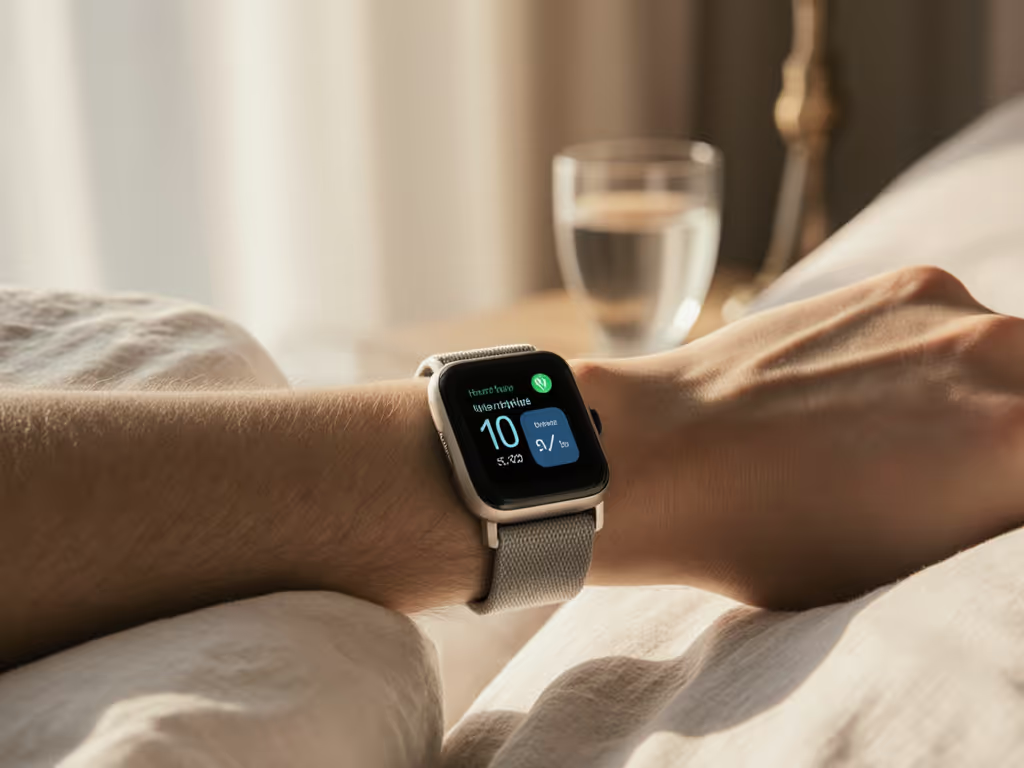
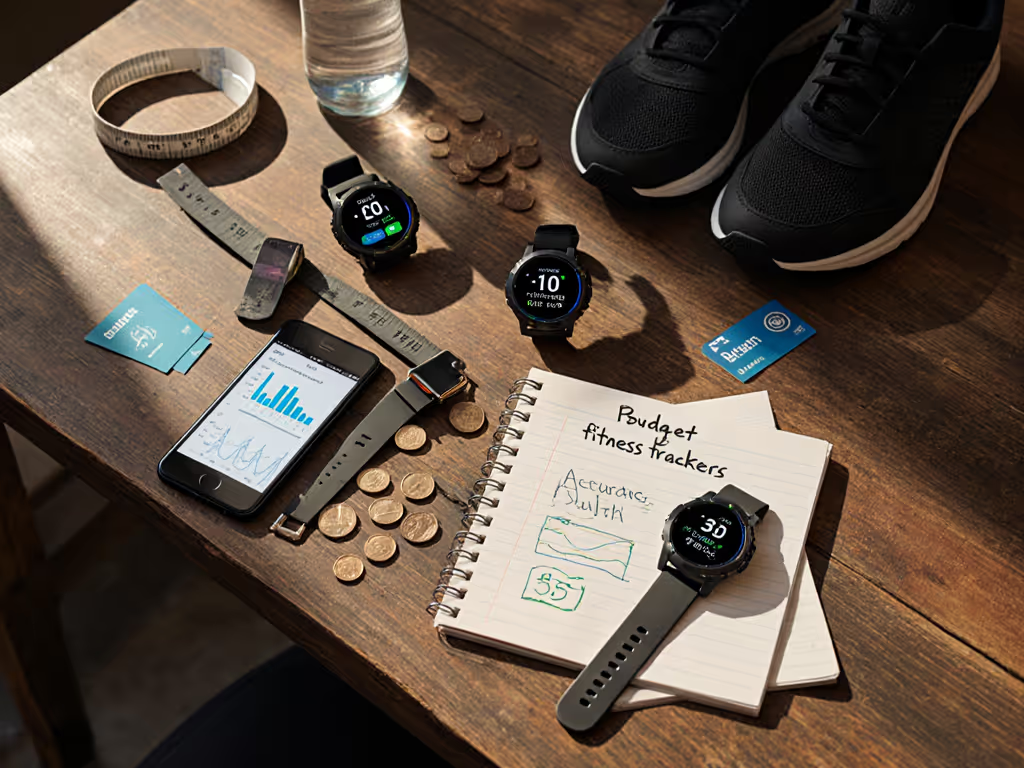
Fitness trackers for fibromyalgia present a paradox: they promise to help you stay active without worsening symptoms, yet many are designed by and for high-intensity athletes. If you're living with fibromyalgia, symptom tracking for chronic fatigue isn't about hitting daily step targets, it's about sustainable movement that honors your energy limits. The right tracker, paired with the right strap and sensor placement, becomes a tool for confidence instead of anxiety.
Fibromyalgia disrupts the rhythm of everyday motion. Being stationary for more than 60 minutes aggravates symptoms, but prolonged exercise makes you feel worse. This catch-22 is where trackers should help most, not by shaming rest, but by validating the scattered, short bursts of activity that actually improve functional fitness. Yet many devices are uncomfortable for continuous wear, inaccurate across different bodies, or locked behind privacy-invasive subscriptions. If it hurts or shames you, it won't be used. That's not failure on your part; that's a mismatch in design.
The solution isn't a single "best" tracker. It's understanding what your body needs, testing comfort and accuracy in real conditions, and choosing a device that respects both.
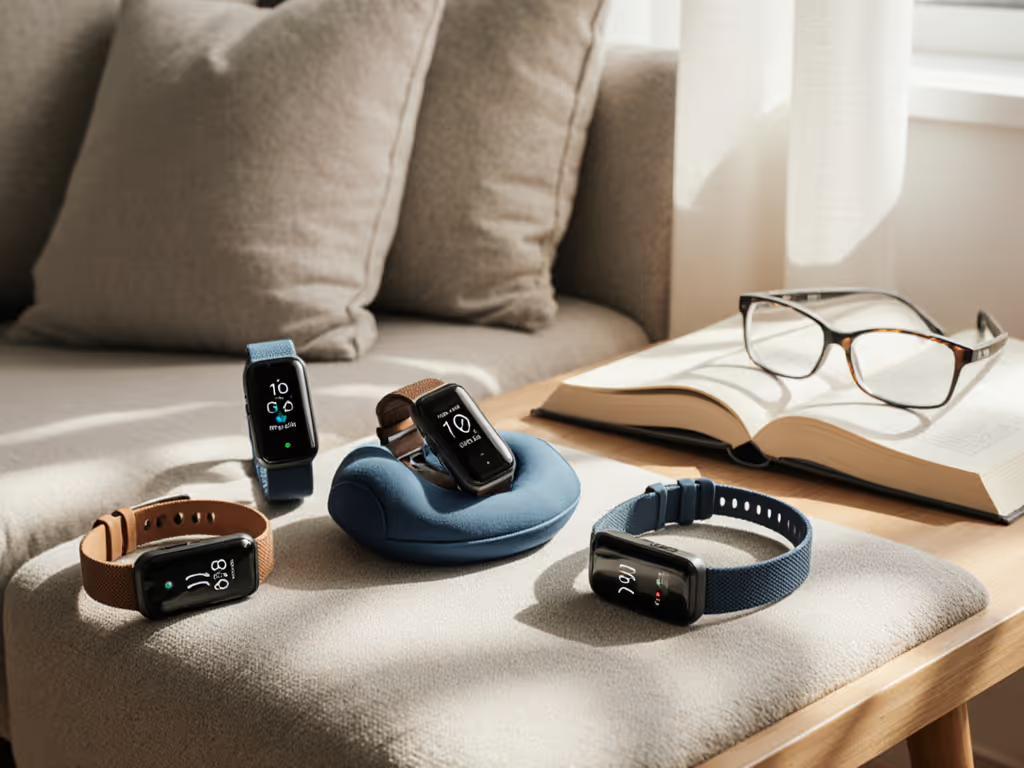
Comfort isn't a luxury feature, it's foundational to tracking accuracy. A strap that causes skin irritation forces you to remove the device, breaking data continuity. A band that slips during sleep renders overnight heart-rate and sleep quality monitoring unreliable. A bulky case that catches on sleeves gets left at home.
Material choice directly affects long-term wear. Silicone, common in budget trackers, traps sweat against skin and can trigger sensitivities in people with eczema, dermatitis, or reactive skin. Soft fabric loops, breathable nylon, or medical-grade elastomers feel less restrictive and allow skin to dry between wears. The sensor itself matters too (optical heart-rate sensors need consistent contact to read accurately), but pressing too hard or at the wrong angle creates false peaks or gaps.
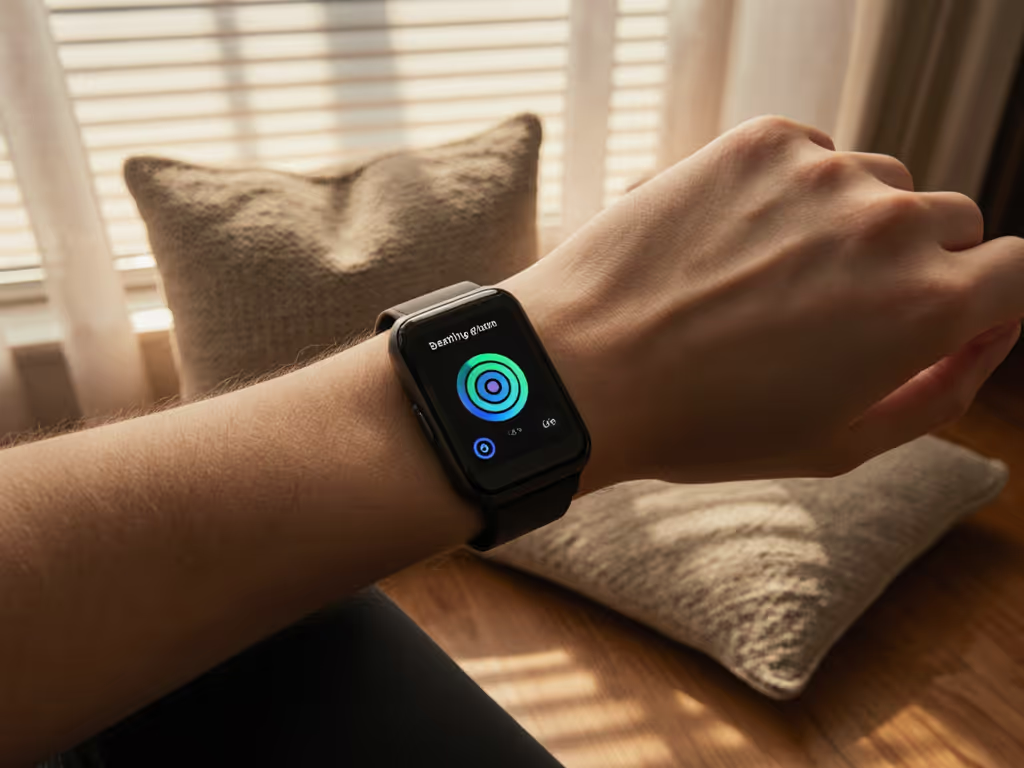
I learned this firsthand during a summer commute. A silicone strap looked harmless until the heat left a red ring that matched my existing eczema. I swapped to a soft, breathable loop and shifted the sensor placement slightly off-center. Heart-rate readings improved, the rash faded, and I stopped dreading putting the device on. That wasn't a minor tweak, that adjustment unlocked three months of reliable data and sustainable motivation. Comfort is a feature.
Most mainstream fitness trackers are built for accumulation: rack up steps, climb stairs, burn calories. For fibromyalgia, this framework backfires. The goal isn't intensity; it's consistency and self-knowledge. You need to see which types of movement feel manageable, how your energy fluctuates across the week, and where you can safely expand capacity.
This is where activity pacing for fibromyalgia and HRV tracking for fibro fog become relevant. Standard devices don't measure these well. They miss the value of gardening for 20 minutes, a slow walk with a friend, or stretching between work meetings, the exact activities that accumulate into functional improvement. They also ignore sleep complexity; fibromyalgia often disrupts sleep architecture, and generic sleep-stage scores don't account for non-restorative sleep patterns.
Data privacy is another gap. Many popular trackers sync biometric data to cloud services by default, with privacy settings buried in menus. For people already managing a chronic condition, the cognitive load of opting out of data sharing (if it's even possible) adds stress.
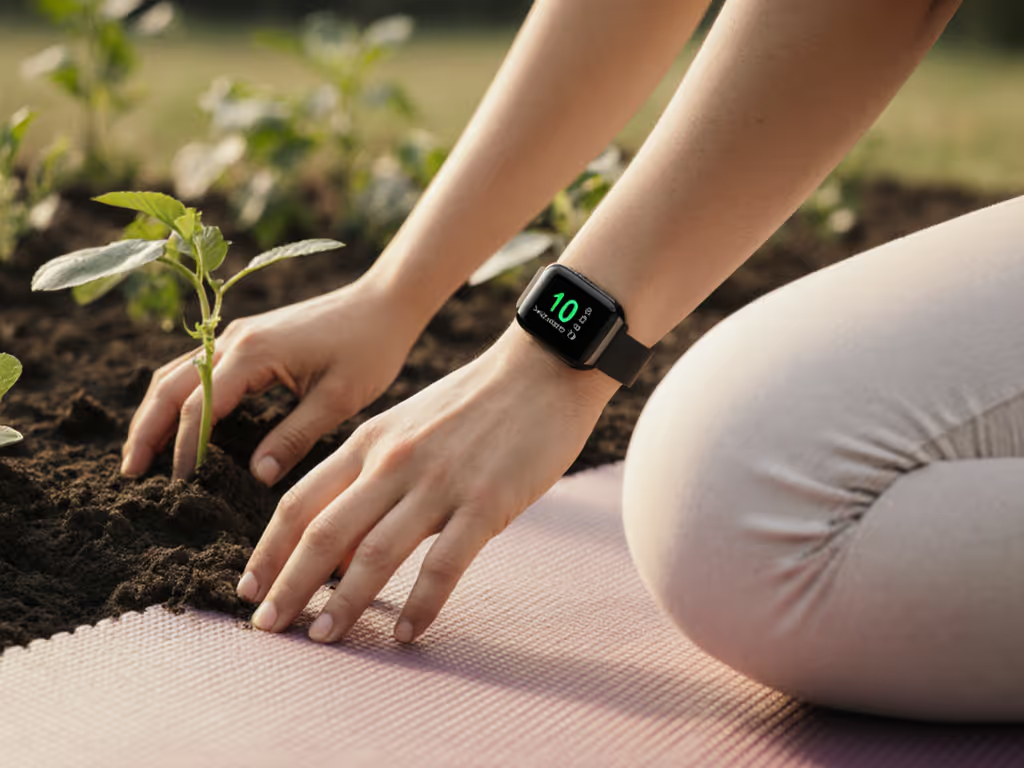
Myzone reframes tracking around wearable data for symptom management using a concept called Myzone Effort Points (MEPs). Instead of rewarding speed or distance, MEPs reward consistent heart-rate effort, a metric that reflects your actual exertion, not your pace. For someone with fibromyalgia, this matters enormously. You might walk slowly but still elevate your heart rate meaningfully; a step-focused tracker misses that. Myzone's "anytime, anywhere" design means you earn credit for gardening, household tasks, and short walks throughout the day, the exact movement patterns that help fibromyalgia. No car trip to the gym required, and no invisible effort goes unseen.
Sleep quality monitoring takes on urgency in fibromyalgia management. Quell Fibromyalgia, an FDA-authorized wearable device, pairs a calf-worn stimulator with an app that tracks sleep duration and quality alongside symptom severity. The device applies gentle electrical pulses to stimulate nerves in the calf, and can be worn overnight to help manage symptoms. Importantly, Quell monitors how sleep patterns correlate with fibromyalgia symptoms, helping you see whether a poor night predicts a flare. The app adjusts treatment settings based on individual response, recognizing that no two people experience fibromyalgia the same way.
Visible was built specifically for people managing Long COVID, ME/CFS, POTS, fibromyalgia, and EDS (conditions where overexertion crashes can set recovery back days or weeks). For practical pacing strategies that align with symptom flares, see our chronic pain pacing guide. Rather than encouraging more activity, Visible uses heart-rate monitoring to help you pace: stay within a sustainable zone, avoid post-exertional malaise, and build activity gradually. This reframes the tracker from motivator to boundary-keeper, equally valuable, but fundamentally different from a device built to push harder.
Before you buy, treat comfort as a screening criterion, not an afterthought.
Ask the seller or manufacturer:
If you have eczema, dermatitis, nickel sensitivity, or reactive skin, prioritize fabric or medical-grade alternatives. If you react to standard bands, see our guide to fitness trackers for sensitive skin for material tips and device picks. If you wear the device 24/7, breathability matters more than looks.
Sensor accuracy depends on consistent skin contact, but comfort depends on not feeling strangled. The device that finds that balance for your wrist wins.
Fibromyalgia often includes sleep disruption; if the tracker wakes you up or keeps you from getting comfortable, continuous sleep data becomes impossible.
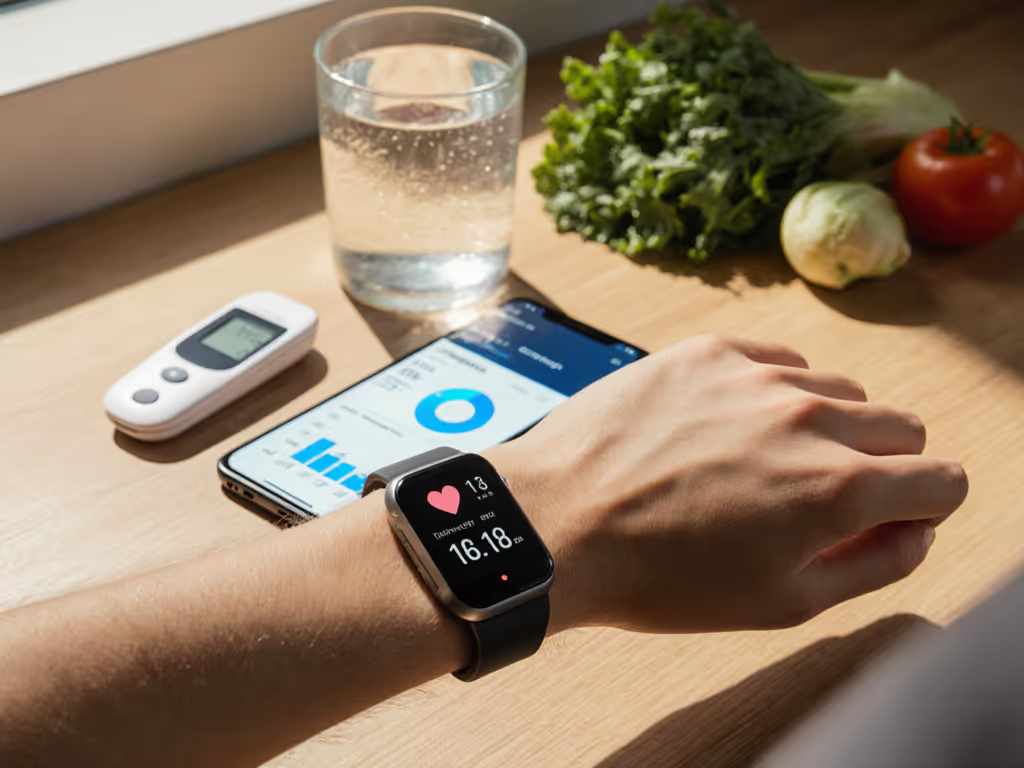
Trackers fail silently. A heart-rate sensor drifting 5-10 bpm might not trigger an obvious alert, but it corrupts your entire activity record and calorie estimates. For fibromyalgia, where symptom severity is subjective, accurate biometric data becomes your reality check.
Sleep-stage scoring is an industry-wide weakness. For a deeper look at how wearables estimate sleep stages and what those scores really mean, read our sleep tracking science explainer. Without in-lab sleep study confirmation, no wrist-worn device can perfectly distinguish REM from deep sleep. What matters: Does the device consistently report similar stage distributions across similar nights? Do trends match your subjective sleep quality? If you wake at 3 a.m. and can't fall back asleep, does the tracker acknowledge the disruption?
Trust is easier when you control your data. Ask:
| Feature | Myzone | Quell Fibromyalgia | Visible | Standard Fitness Watch |
|---|---|---|---|---|
| Primary Focus | Effort-based motivation | Medical symptom reduction | Pacing and recovery | Output (steps, calories) |
| Key Metric | MEPs (Effort Points) | Symptom severity + sleep | Heart-rate zones for pacing | Steps, distance, calories |
| Strap Material | Varies (check product) | Calf band with soft material | Check product | Silicone (common) |
| All-Day Wear Comfort | Wrist-worn; depends on strap | Calf-worn; 15 hrs max daily | Wrist-worn; depends on model | Wrist-worn; varies |
| Sleep Tracking | Basic | Comprehensive + symptom correlation | Basic | Basic to advanced |
| Activity Type Flexibility | Yes (gardening, household) | Limited (medical focus) | Yes (designed for pacing) | Yes (but pushes intensity) |
| Data Export | Check app | App-based; check export options | Check app | Varies widely |
| Subscription Required | Yes | App-based; check model | Yes | Often optional, sometimes required |
Choosing a tracker for fibromyalgia is a decision, not a permanent commitment. Here's how to move forward:
Identify your primary need. Do you want motivation to stay active (Myzone)? Medical-grade symptom reduction (Quell)? Pacing boundaries to avoid crashes (Visible)? Or a general watch with solid sleep tracking? Your answer narrows the field immediately.
Audit comfort on your body first. Order a model with good return terms or find a friend who owns one. Wear it for at least a full day and night. Does it feel secure? Does your skin feel happy? Are the notifications manageable? If the answer to any is no, move on, you won't wear an uncomfortable device consistently.
Test accuracy against a reference. If optical heart-rate matters, compare a few readings to a chest strap or manual pulse count. If sleep matters, jot subjective notes for a week and see whether trends align. Trust your lived experience over marketing claims.
Check the privacy and data fine print. Read the privacy policy, test the export features if available, and confirm you can opt out of data sharing. If you feel rushed or obscured, that's a signal.
Set a trial period. Most retailers offer 30-day returns. Use that window to wear the device in your actual life: work, home, exercise, sleep. After 30 days, ask yourself: Did this reduce anxiety or increase it? Did data feel actionable or overwhelming? Would I recommend it to someone else with fibromyalgia? If yes to all three, keep it. If no, return it without guilt.
The right tracker becomes invisible, not in terms of visibility, but in ease of use. You wear it, check it when curious, and it quietly supports your pacing and recovery. It doesn't shame you for rest days. It doesn't crash your confidence with inaccurate data. It doesn't drain your battery every other day or lock your data in proprietary clouds.
Your fibromyalgia is unique. The tracker you choose should be flexible enough to respect that. And if it hurts, doesn't fit, or feels like one more source of stress, it's not the right one. There are other options.